Inflammation isn't always a bad thing. Understanding the difference—and how your everyday food choices can help—can make a meaningful difference in your long-term health.

We've all heard about inflammation, especially when it comes to gut health, joint pain, and chronic disease. But what exactly is inflammation, why does it happen, and how much influence does our diet really have?
The good news? Your body has a remarkable ability to protect and repair itself. And the foods you eat every day can play an important role in supporting that process.
What Is Inflammation?
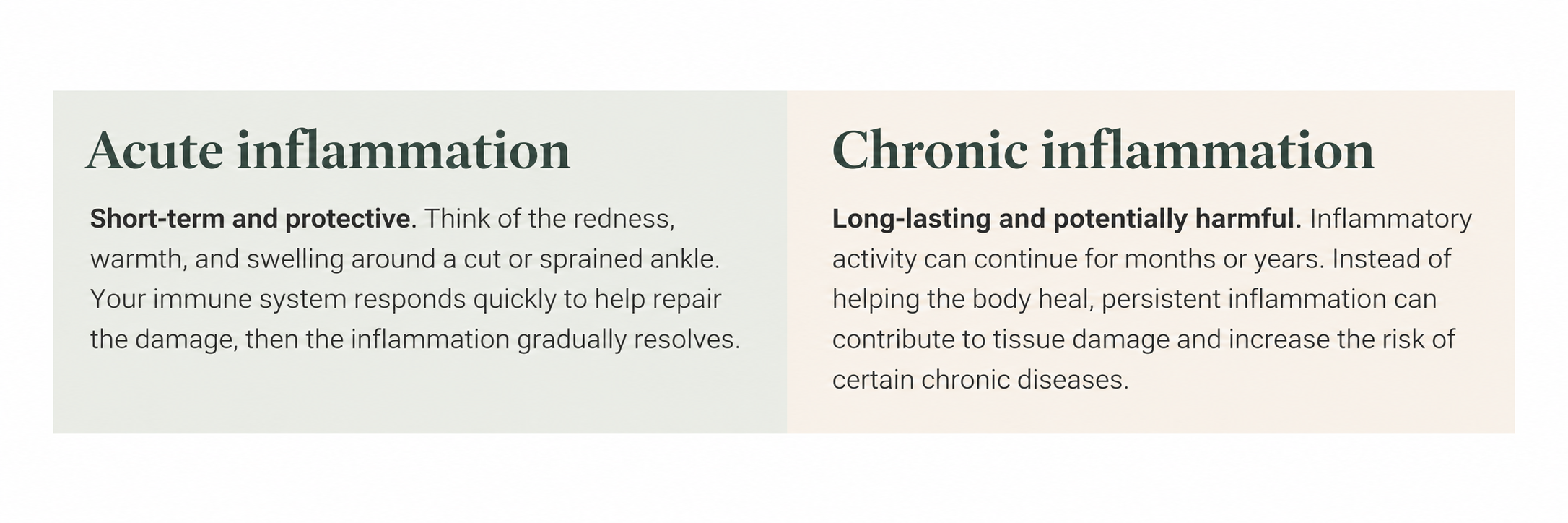
Inflammation is your body's natural defense response to injury, infection, or harmful substances. It's how your immune system protects you and begins the healing process. 1
But not all inflammation is the same.
What About Systemic Inflammation?
Systemic inflammation involves an inflammatory response that affects the body more broadly, rather than remaining limited to one area.
Chronic, low-grade systemic inflammation can develop gradually and may occur without obvious symptoms. Research links it to cardiovascular disease, type 2 diabetes, and several other chronic health conditions. 2
The important distinction: Inflammation itself isn't the enemy. The goal is to help your body maintain a healthy, balanced inflammatory response.
What Causes Chronic Inflammation?
There isn't a single cause. Chronic inflammation can be influenced by a combination of factors, including ongoing infections, autoimmune conditions, excess visceral body fat, smoking, environmental exposures, inadequate sleep, chronic stress, and physical inactivity.
Nutrition is another important piece of the picture. Over time, a dietary pattern low in fiber and nutrient-rich whole foods—and high in sugary drinks, processed meats, and certain highly processed foods—may contribute to a more inflammatory environment. 5,6

What Is an Anti-Inflammatory Diet?
An anti-inflammatory diet isn't a strict meal plan, a detox, or a list of foods you can never eat.
It's a way of eating that emphasizes whole, nutrient-dense foods that support normal immune function, metabolic health, and the body's ability to regulate inflammation.
The Mediterranean-style approach
One of the most researched approaches is the Mediterranean-style eating pattern, built around colorful vegetables, fruits, legumes, whole grains, extra-virgin olive oil, nuts, seeds, and fish.
Research suggests this eating pattern can improve certain markers of inflammation and support cardiovascular health. 3,4
And the best part? You don't need special products, complicated recipes, or a perfect diet to get started.
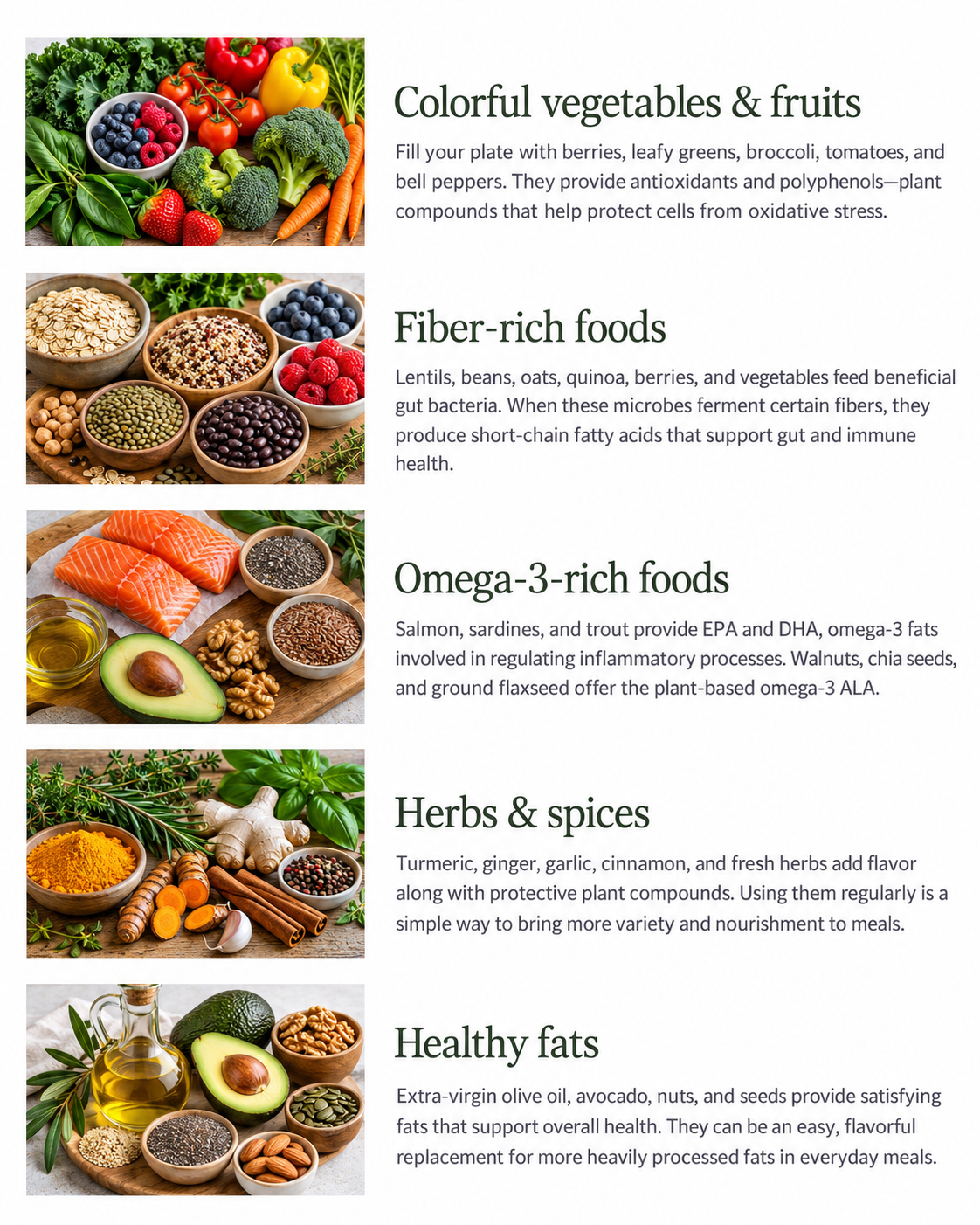
The Best Foods to Help Support a Healthy Inflammatory Response
A nourishing, anti-inflammatory eating pattern is built around variety—not any single “superfood.” These everyday foods bring color, flavor, and nutrients to your plate, while helping support your health over time.

What Foods May Promote Inflammation?
Rather than labeling individual foods as good or bad, it's more helpful to look at your overall eating pattern.
Foods worth limiting include sugary beverages, frequent sweets, processed meats such as bacon and sausage, heavily refined snack foods, and deep-fried foods.
Research has associated diets high in many of these foods with higher inflammatory markers or increased chronic disease risk. 5,6
That doesn't mean every packaged food is unhealthy—or that you need to eliminate gluten, dairy, or every food you enjoy. Frozen vegetables, plain Greek yogurt, and canned beans, for example, can all fit beautifully into an anti-inflammatory eating pattern.

Who Can Benefit From an Anti-Inflammatory Diet?
A whole-food, Mediterranean-style eating pattern can benefit most people, particularly those looking to support heart health, healthy blood sugar regulation, and long-term wellness. 3,4
It may also complement medical care for people managing certain chronic inflammatory conditions, although food alone cannot treat or cure these diseases.
Research suggests that this style of eating may help improve some inflammatory markers and reduce cardiovascular risk. Benefits also extend beyond inflammation through improved overall diet quality, fiber intake, and metabolic health. 3,4
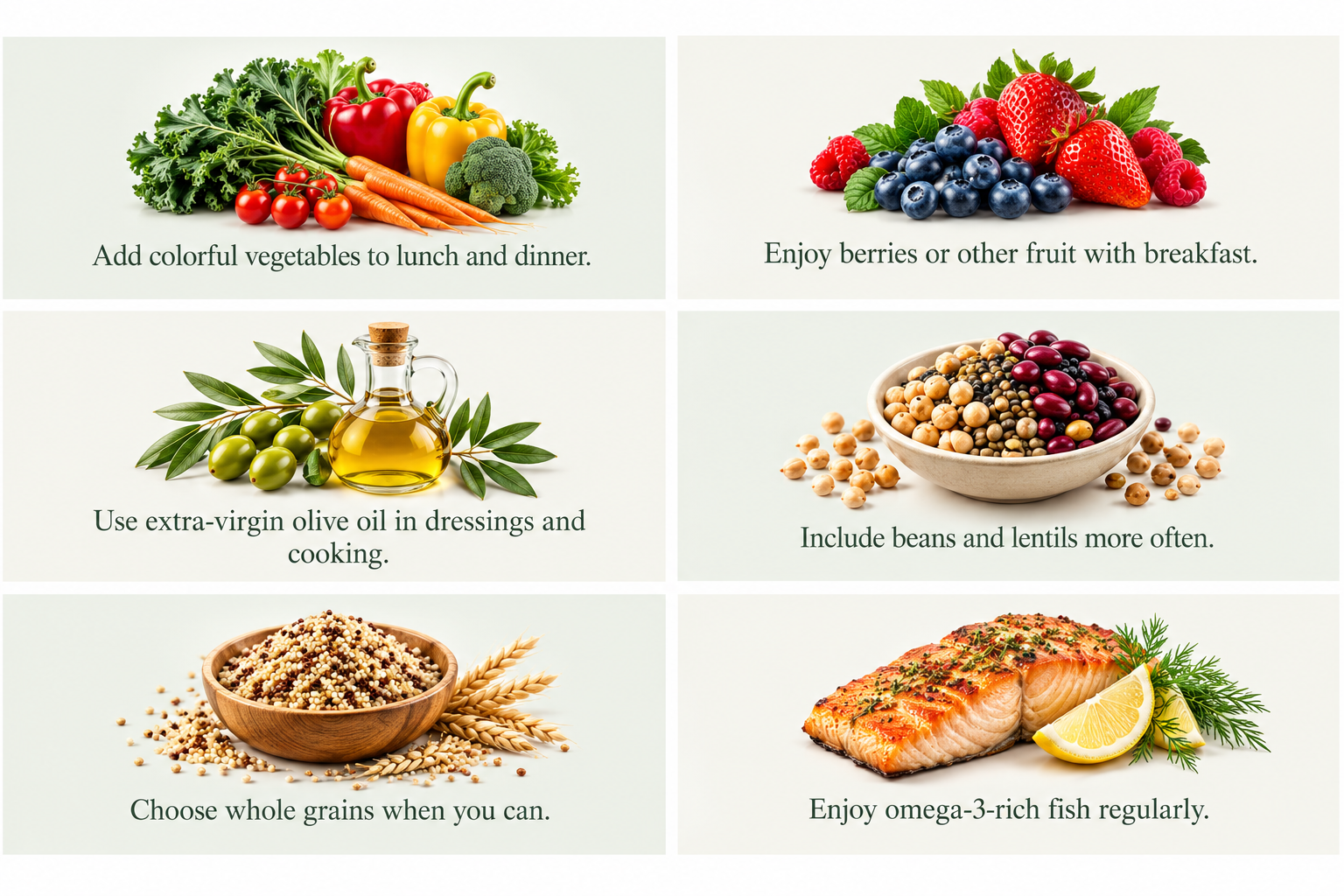
Simple Ways to Start Today
You don't need to change everything overnight. Start with a few everyday choices:
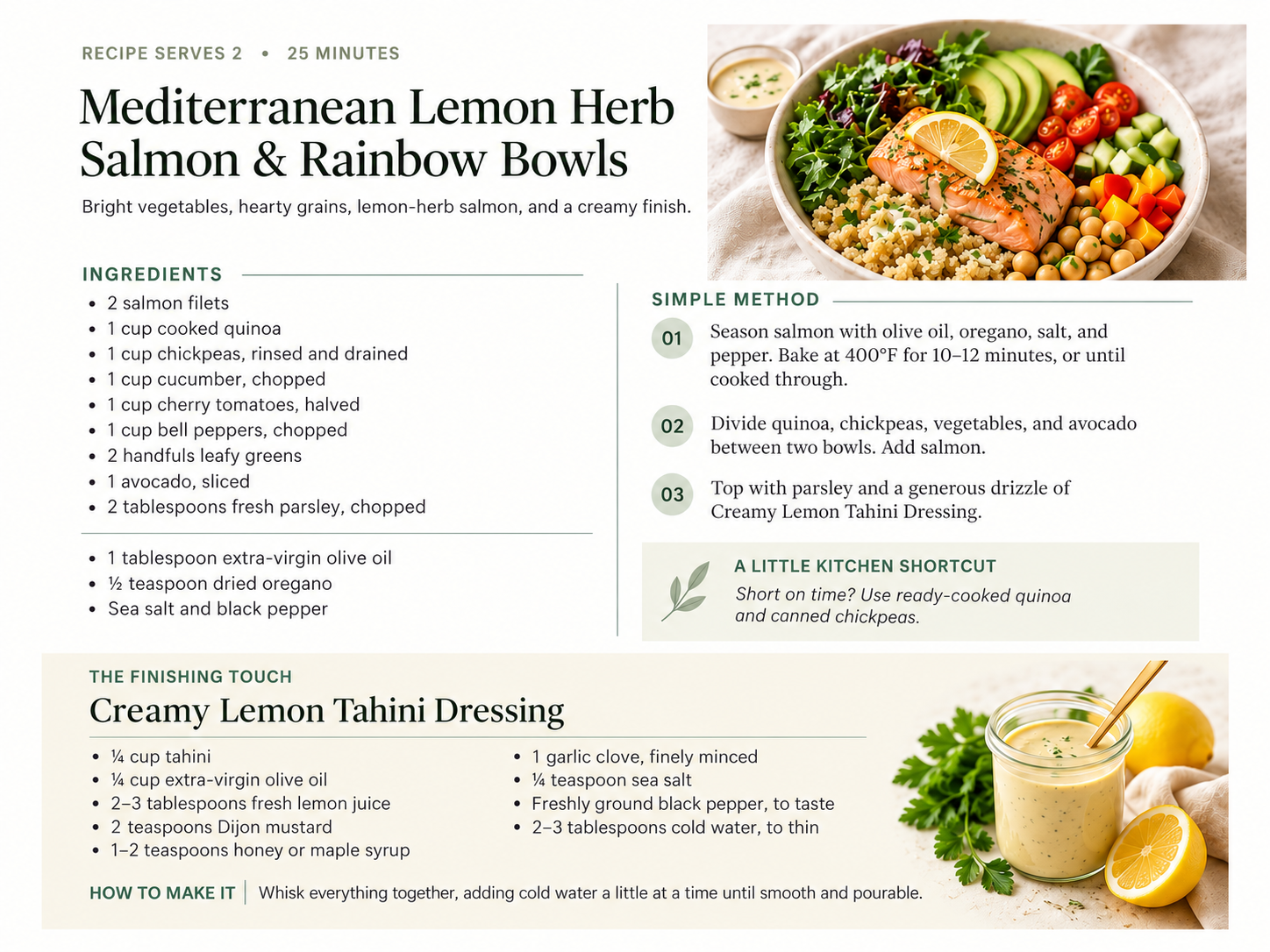
Two Mediterranean Meal Ideas to Try
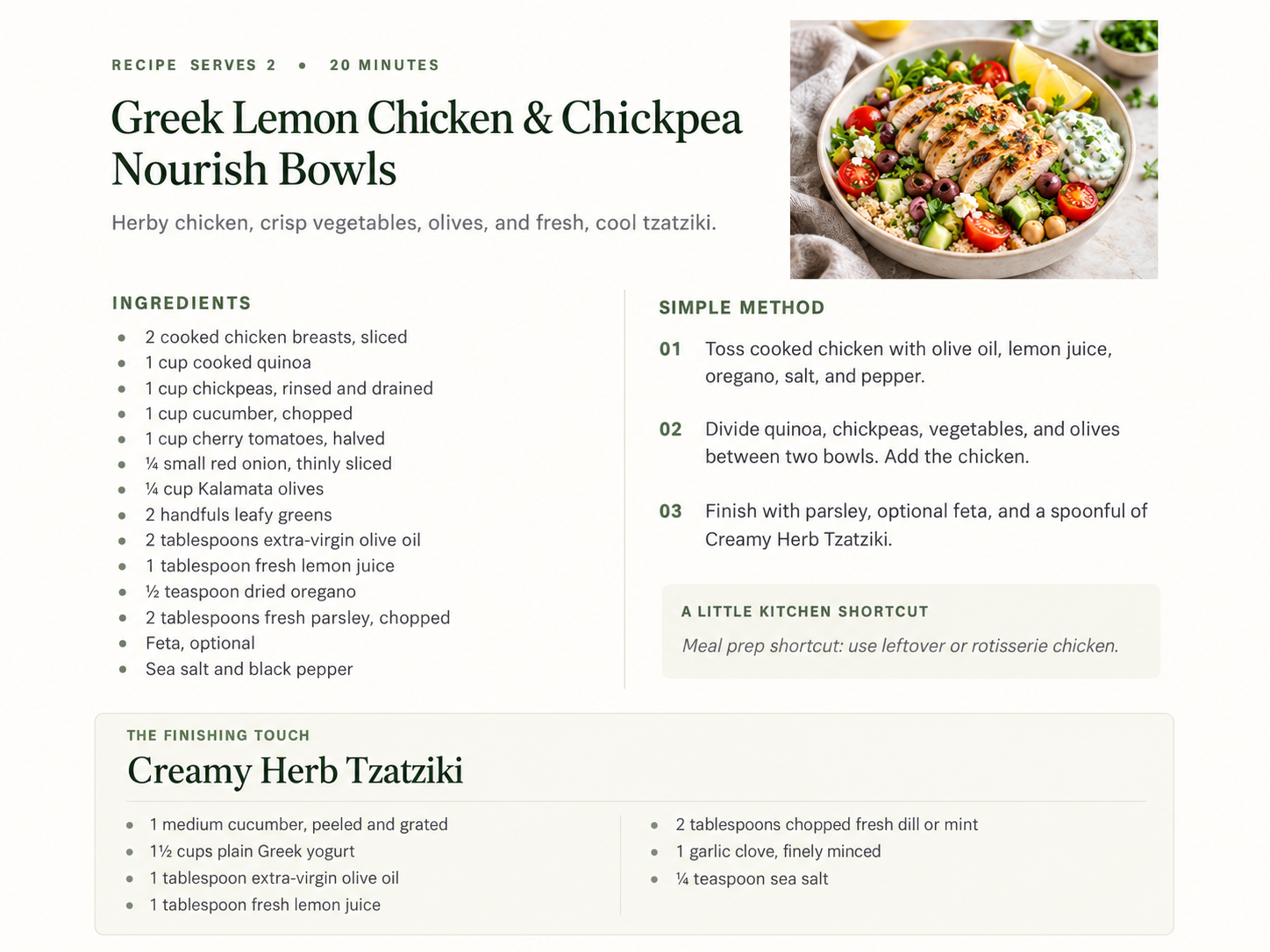
Here are two simple Mediterranean-inspired bowls that bring many of these foods together in one satisfying meal.
A reminder that nutrition works alongside other important habits, including quality sleep, regular movement, stress management, and avoiding smoking.
Research & References
Selected peer-reviewed research and resources from established academic and medical institutions.
01 National Institute of Environmental Health Sciences (NIH). Inflammation. NIH resource ↗ Open source
02 Furman, D., et al. (2019). Chronic inflammation in the etiology of disease across the life span. Nature Medicine, 25, 1822–1832. PubMed ↗ Open source
03 Keshani, M., et al. (2026). Mediterranean Diet Reduces Inflammation in Adults: A Systematic Review and Meta-analysis of Randomized Controlled Trials. Nutrition Reviews. PubMed ↗ Open source
04 Estruch, R., et al. (2018). Primary Prevention of Cardiovascular Disease with a Mediterranean Diet Supplemented with Extra-Virgin Olive Oil or Nuts. New England Journal of Medicine, 378, e34. PubMed ↗ Open source
05 Ultra-Processed Food Consumption and Systemic Inflammatory Biomarkers: A Scoping Review. (2025). PubMed ↗ Open source
06 Harvard Health Publishing. Anti-inflammatory diet: Foods that help reduce chronic inflammation. Harvard Health ↗ Open source
Educational note: This article offers general wellness information and does not replace individualized medical advice.