Ever feel hungry shortly after breakfast, hit an afternoon energy slump, or crave something sweet just to keep going? Your blood sugar may be part of the picture.

Blood sugar affects more than energy—it plays an important role in metabolism, hunger, hormone health, and even gut health.
Understanding how glucose works, why fiber matters, and how to build satisfying meals can help support steadier energy, keep you satisfied longer, and protect your long-term health.
What Is Blood Sugar, and What is a Healthy Range?
Blood sugar, also called blood glucose, is one of your body's main sources of energy. When you eat carbohydrates, your body breaks down digestible sugars and starches into glucose. Your pancreas releases insulin, which helps move glucose from your bloodstream into cells for energy or storage [1].
For most adults without diabetes, a normal fasting blood glucose is 70–99 mg/dL [2]. A value below 140 mg/dL two hours after a standard oral glucose tolerance test is also considered normal [3]. These are clinical test ranges—not limits every meal or CGM reading must follow.
The goal isn't a perfectly flat glucose line. Blood sugar naturally rises after eating and comes back down as your body uses or stores that energy throughout the day. This is how your body naturally regulates glucose, providing your cells with the energy they need without blood sugar remaining elevated for prolonged periods.
Why Does Blood Sugar Balance Matter?
When blood sugar remains elevated over time, your cells can become less responsive to insulin, a condition called insulin resistance. This can increase the risk of prediabetes, type 2 diabetes, and cardiovascular disease.
Persistently high blood sugar can also damage the inner lining of blood vessels, contribute to inflammation, and promote atherosclerosis—the buildup of plaque that narrows arteries and increases the risk of heart attack and stroke [4].
Supporting healthy glucose regulation is about more than managing weight. It's an important part of protecting your heart, supporting metabolic health, and maintaining long-term wellness.
Carbohydrates: Why Fiber Makes the Difference
Complex carbohydrates, such as oats, quinoa, beans, lentils, and whole grains, often contain fiber, vitamins, and minerals that support digestion and help regulate blood sugar.
Simple carbohydrates include naturally occurring sugars in fruit and milk, as well as added sugars in candy, soda, and desserts. Refined carbohydrates, such as white bread and pastries, have much of their natural fiber removed, allowing them to be digested more quickly [5].
Fiber helps slow the rise. Your body doesn't break down fiber into glucose the way it does other carbohydrates. Certain types of soluble fiber found in foods such as oats, beans, apples, and chia absorb water and form a gel-like substance in your digestive tract. This helps slow digestion and the movement of glucose into your bloodstream, resulting in a more gradual rise in blood sugar rather than a rapid increase. Fiber can also help you feel satisfied longer, reducing hunger between meals [6].
Think of fiber as a natural buffer that helps your body manage how quickly glucose enters your bloodstream.
Focus less on eliminating carbohydrates and more on choosing fiber-rich, minimally processed foods. Pair them with protein and healthy fats to create satisfying meals that support blood sugar balance, gut health, and lasting energy.
Try an orange instead of juice, oats with walnuts and berries, or lentils added to your favorite soup. Whole fruit, including bananas and mangoes, belongs in a balanced diet, too.
The Gut–Blood Sugar Connection
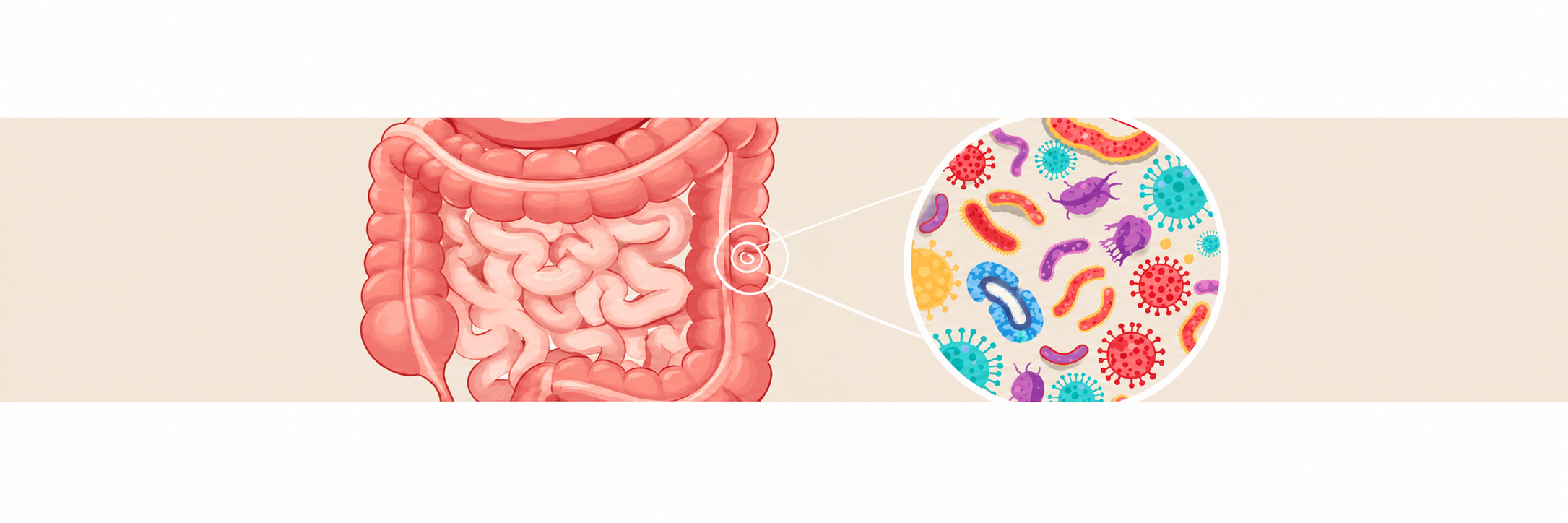
Your gut is home to trillions of microorganisms that play a role in blood sugar regulation. When beneficial gut bacteria break down certain types of dietary fiber through fermentation, they produce compounds called short-chain fatty acids, including butyrate. These compounds help nourish and protect your intestinal lining, support gut health, and may improve insulin sensitivity, helping your body use glucose more effectively [7,8].
Research suggests that fiber-rich diets may improve glucose regulation while supporting beneficial gut bacteria, although scientists are still exploring how these relationships work [9].
An easy place to start: Add more variety to your plant foods, and increase fiber gradually with enough water to keep digestion comfortable.
Why Do Cravings Happen?
Ever feel hungry shortly after breakfast or find yourself craving something sweet by midmorning?
Meals high in refined carbohydrates but low in protein and fiber are digested quickly, causing blood sugar to rise more rapidly. As insulin helps move glucose into your cells, blood sugar comes back down, and you may find yourself feeling hungry again sooner.
Protein, fiber, and healthy fats help slow digestion and promote fullness, keeping you satisfied longer. Poor sleep, stress, and not eating enough can also increase hunger and cravings [10].
The key isn't more willpower—it's building balanced, nourishing meals that support steady energy and lasting satisfaction.
6 Simple Ways to Support Healthy Blood Sugar
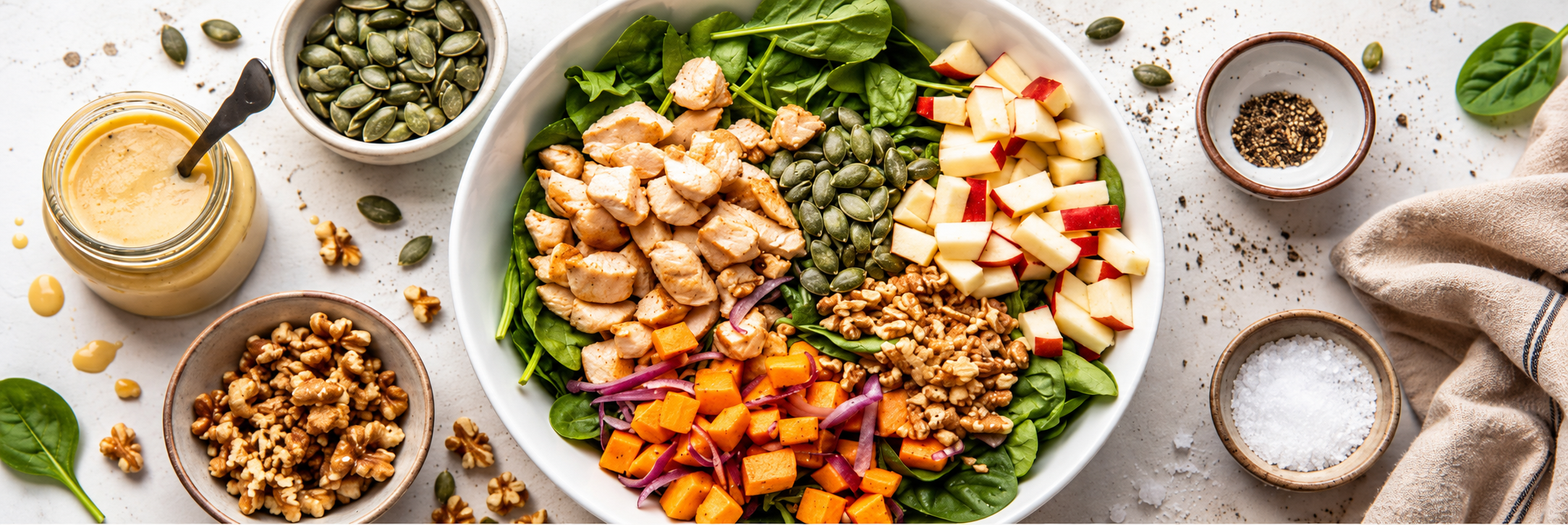
1. Build a balanced plate.
Include four key components:
Protein: Eggs, fish, chicken, tofu, Greek yogurt, or lentils.
Fiber-rich carbohydrates: Oats, quinoa, beans, fruit, or sweet potatoes.
Colorful vegetables: Leafy greens, broccoli, carrots, or peppers.
Healthy fats: Olive oil, avocado, walnuts, or seeds.
This combination provides nourishment, slows digestion, and helps you stay fuller longer.
2. Pair carbohydrates with protein, fiber, or healthy fats.
Try whole-grain toast with avocado and eggs, berries with Greek yogurt and chia seeds, or pasta with salmon and roasted vegetables.
You can still enjoy the foods you love—just build a more satisfying meal around them.
3. Try eating vegetables and protein before starches.
Research suggests that eating vegetables and protein before carbohydrate-rich foods may reduce the rise in blood sugar after a meal [11].
4. Move after eating.
Even a 10-minute walk after lunch or dinner can help your muscles use glucose more efficiently. Regular movement also improves insulin sensitivity [12].
5. Prioritize sleep and manage stress.
Poor sleep can make insulin regulation more difficult and increase hunger. Aim for consistent, restorative sleep, and make time for movement, relaxation, and stress management [10].
6. Keep nutritious foods ready to assemble.
A little ingredient prep goes a long way. Keep cooked quinoa, washed vegetables, boiled eggs, canned salmon, hummus, and homemade dressings on hand.
Balanced meals don't have to take more than five minutes to put together.

Can a Continuous Glucose Monitor Help?
Here's what surprises many people: the same meal can produce different glucose responses in different people [13].
Research has shown that glucose responses vary significantly from person to person, influenced by factors such as insulin sensitivity, sleep, physical activity, meal composition, and even the gut microbiome.
This is where a continuous glucose monitor (CGM) can be a helpful tool.
A CGM tracks glucose patterns through a small wearable sensor. It can help you explore how specific foods, meal combinations, activity, and sleep relate to your personal patterns.
For example, you might discover that oatmeal alone produces a larger glucose rise than oatmeal paired with Greek yogurt, chia seeds, and walnuts. Or that a short walk after dinner improves your post-meal glucose response.
The goal isn't to eliminate foods or prevent every glucose rise. It's to understand your body's patterns and make informed choices that support your health.
CGMs are well established for diabetes management and are increasingly being explored as tools for personalized nutrition and lifestyle education [14,15].
Sometimes, seeing how your body responds can be the motivation that makes healthy changes feel more meaningful and sustainable.
NOTE FROM NOURISH & ROOTED
Nourishment That Fits Your Life
Supporting healthy blood sugar doesn't mean giving up the foods you love or following a restrictive diet. It's about understanding how food affects your body and learning to build balanced, satisfying meals that nourish you from the inside out.
Start small. Add more fiber, include protein with your meals, and find simple ways to move your body each day. It's these everyday choices, practiced consistently, that help support steady energy, fewer cravings, and long-term health.
If you’d like personalized support, I’d love to connect. Together, we can make nourishing meals and healthy habits fit your tastes, your schedule, and your life.
www.nourishandrooted.com | Jennifer.nourishandrooted@gmail.com
Real food. Real life. Lasting habits.
Research & References
Selected peer-reviewed research, clinical guidelines, and resources from trusted medical and health organizations.
[1] National Institute of Diabetes and Digestive and Kidney Diseases (NIDDK). What Is Diabetes?
[2] National Library of Medicine. MedlinePlus. Blood Sugar Test. Updated 2025.
[3] National Institute of Diabetes and Digestive and Kidney Diseases (NIDDK). Diabetes Tests & Diagnosis.
[4] Centers for Disease Control and Prevention. Diabetes and Your Heart. 2024.
[5] Harvard T.H. Chan School of Public Health. Carbohydrates and Blood Sugar. The Nutrition Source.
[6] Harvard T.H. Chan School of Public Health. Fiber. The Nutrition Source.
[7] Pham NHT, et al. Short-chain fatty acids and insulin sensitivity: A systematic review and meta-analysis. Nutrition Reviews. 2024;82(2):193–209.
[8] Mann ER, Lam YK, Uhlig HH. Short-chain fatty acids: Linking diet, the microbiome and immunity. Nature Reviews Immunology. 2024;24:577–595.
[9] Xu X, et al. Dietary intervention improves metabolic levels in patients with type 2 diabetes through the gut microbiota: A systematic review and meta-analysis. Frontiers in Nutrition. Published 2024;10:1243095.
[10] National Heart, Lung, and Blood Institute (NHLBI). Sleep Deprivation and Deficiency: How Sleep Affects Your Health.
[11] Shukla AP, et al. Food Order Has a Significant Impact on Postprandial Glucose and Insulin Levels. Diabetes Care. 2015;38(7)–e99.
[12] Centers for Disease Control and Prevention. Get Active. 2024.
[13] Zeevi D, et al. Personalized Nutrition by Prediction of Glycemic Responses. Cell. 2015;163(5):1079–1094.
[14] American Diabetes Association Professional Practice Committee for Diabetes. Diabetes Technology: Standards of Care in Diabetes—2026. Diabetes Care. 2026;49(Suppl. 1)–S165.
[15] Johansson M, Dower JA, Lipska KJ. Continuous Glucose Monitoring for Persons With and Without Diabetes. JAMA Internal Medicine. 2026;186(9):1182.
Educational note: This article offers general wellness information and does not replace individualized medical advice.