Discover how hormones influence your energy, metabolism, mood, and sleep—and how nutrition and everyday habits can help support hormonal health.

Have you noticed changes in your energy, sleep, mood, or weight that you can't quite explain? Maybe you're experiencing brain fog, feeling more irritable, or simply not feeling like yourself. Your hormones may be part of the picture.
Hormonal changes are a natural part of life, particularly during perimenopause and menopause. But nutrition, gut health, stress, sleep, and physical activity can also influence how your hormones function.
Understanding these connections can help you recognize potential signs of imbalance, explore underlying causes, and take meaningful steps toward feeling your best.
What Are Hormones, and Why Do They Matter?
Hormones are chemical messengers that travel through your bloodstream, communicating with organs and tissues to regulate essential functions—from metabolism and blood sugar to mood, sleep, and reproduction [1].
Several key hormones play important roles in women's health:
Estrogen and progesterone: Support menstrual cycles, reproductive health, and bone health.
Cortisol: Helps regulate your body's stress response and energy availability.
Insulin: Helps control blood sugar and how your body uses and stores energy.
Thyroid hormones: Regulate metabolism, body temperature, and energy use.
These hormones work through interconnected systems. When levels become too high, too low, or hormonal signaling is disrupted, symptoms may develop.
Why Do Hormones Become Imbalanced?
Hormones naturally fluctuate during menstruation, pregnancy, perimenopause, and menopause. However, persistent symptoms may sometimes indicate an underlying hormonal condition.
Several factors can contribute to hormonal disruptions:
Chronic stress: Prolonged physical or emotional stress can affect stress-response and reproductive hormone signaling.
Inadequate nutrition: Undereating, restrictive diets, or insufficient fueling during exercise can disrupt menstrual cycles and reproductive hormone function [2].
Insulin resistance: Reduced insulin sensitivity can affect metabolic health and is commonly associated with PCOS [3].
Underlying conditions: Thyroid disorders, PCOS, and certain medications can influence hormonal function.

What Are the Common Signs?
Symptoms vary depending on the hormones involved and may include:
Persistent fatigue or low energy
Irregular or missed periods
Unexplained weight changes
Mood changes or irritability
Difficulty sleeping
Acne or hair thinning
Hot flashes or night sweats
Brain fog or difficulty concentrating
Some symptoms are common during perimenopause, while others may have unrelated causes [4].
The Gut–Hormone Connection
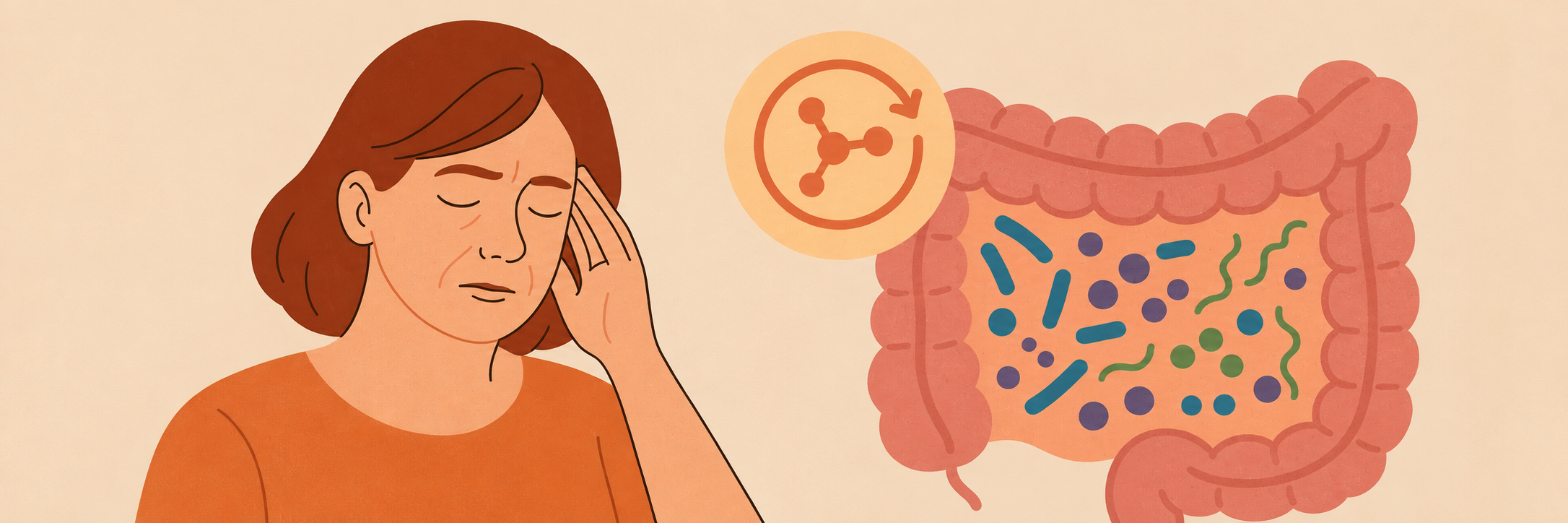
Your gut and hormones have an important two-way relationship.
Estrogen and progesterone can influence how quickly food moves through your digestive tract, contributing to changes in digestion, bloating, or bowel habits [5].
Meanwhile, certain gut bacteria help metabolize estrogen and may influence how much is reabsorbed into the bloodstream. This collection of microbial functions is known as the estrobolome [6].
Although research is still emerging, supporting a healthy gut through fiber-rich foods and dietary variety remains an important foundation for digestive and metabolic health.

7 Simple Ways to Support Hormonal Health
Supporting hormonal health doesn't require restrictive diets or complicated routines. Start with these practical, nourishing habits.
1. Eat Enough Protein
Protein provides essential amino acids needed to build and repair tissues, maintain muscle, and support normal hormone function. It also influences appetite-regulating hormones that help you feel satisfied after eating [7].
Include protein-rich foods such as eggs, Greek yogurt, fish, poultry, tofu, beans, and lentils throughout your day.
Simple tip: Start your morning with a protein-rich breakfast, such as Greek yogurt with berries, ground flaxseed, and nuts.
2. Choose Fiber-Rich Carbohydrates
Carbohydrate quality matters. Fiber-rich foods help support blood sugar regulation, gut health, and metabolic function. Choosing whole grains and other minimally processed carbohydrates more often than refined carbohydrates and foods high in added sugars supports a healthier dietary pattern [8].
Choose vegetables, fruits, beans, oats, quinoa, and other whole grains more often than highly refined carbohydrates and sugary drinks.
Simple tip: Pair carbohydrates with protein, fiber, and healthy fats to create balanced, satisfying meals.3. Focus on Key Nutrients
3. Include Healthy Fats
Dietary fats are important for cellular function and overall health. Unsaturated fats, particularly from olive oil, avocados, nuts, seeds, and fatty fish, support cardiovascular and metabolic health [8].
Omega-3 fatty acids from salmon, sardines, and trout also contribute to healthy inflammatory regulation.
Simple tip: Add avocado to a salad, sprinkle walnuts over oatmeal, or enjoy fatty fish twice a week.
4. Nourish Your Gut and Focus on Key Nutrients
Your gut microbiome plays a role in estrogen metabolism, making digestive health another important consideration.
Include a variety of fiber-rich plant foods and fermented foods, such as plain yogurt or kefir, if tolerated.
Certain nutrients also support normal hormonal and metabolic function:
Iodine: Essential for thyroid hormone production. Found in seafood, dairy products, and iodized salt [9].
Magnesium: Supports energy metabolism and blood glucose regulation. Found in leafy greens, nuts, seeds, and legumes [10].
Calcium and vitamin D: Work together to maintain healthy bones, particularly important as estrogen declines after menopause [11,12].
Simple tip: Add more variety to your meals throughout the week, including colorful vegetables, legumes, nuts, seeds, and whole grains.
5. Make Quality Sleep a Priority
Sleep plays an important role in your body's hormonal rhythms and metabolic health. Inadequate or disrupted sleep can affect insulin sensitivity, stress responses, and appetite regulation.
Most adults need approximately 7–9 hours of quality sleep each night, although individual needs vary [13].
Simple tip: Maintain a consistent bedtime, keep your bedroom cool and dark, and establish a relaxing evening routine.
6. Move Regularly and Build Strength
Physical activity helps improve insulin sensitivity, allowing your cells to use blood sugar more efficiently. Strength training also helps preserve muscle mass and supports metabolic health, particularly during midlife [14].
Combine walking, resistance training, and other enjoyable activities throughout the week.
Simple tip: Begin with a 10-minute walk after meals and aim to incorporate strength training at least twice weekly.
7. Find Healthy Ways to Manage Stress
Cortisol is an essential hormone that helps your body respond to challenges. However, prolonged stress can affect sleep, digestion, and overall well-being [15].
Making time for recovery is just as important as staying active. Regular movement, deep breathing, time outdoors, and meaningful connections can all help manage stress.
Simple tip: Set aside 10 minutes each day to unplug, take a walk, stretch, or simply enjoy a quiet moment.
The takeaway: Supporting hormonal health is about giving your body the nourishment, movement, rest, and care it needs to function well. These habits provide a strong foundation, but persistent symptoms may require further evaluation and individualized care.

Can Supplements Help Balance Hormones?
Supplements may be helpful when specific nutrient deficiencies or medical needs are identified, but they're not a universal solution for hormonal symptoms.
Many products marketed for "hormone balance" lack strong scientific evidence, particularly for relieving menopause symptoms, and some may interact with medications [16].
Rather than guessing what your body needs, consider working with a qualified healthcare professional to evaluate possible underlying causes and determine whether testing, supplementation, or medical treatment is appropriate.
The goal isn't simply to balance hormones—it's to understand what your body needs and support its overall health.
NOTE FROM NOURISH & ROOTED
Nourishment That Fits Your Life
Hormonal changes are a natural part of a woman's life, but persistent changes in energy, sleep, mood, or weight deserve attention. Understanding what's happening in your body is the first step toward finding the right support.
I believe in looking at the whole picture—nutrition, gut health, stress, sleep, and lifestyle—to help identify what may be affecting your health and create realistic, lasting habits that support your well-being.
If you'd like personalized guidance, I'd love to connect. Book a free 15-minute consultation to discuss your health goals and how I can help.
www.nourishandrooted.com | Jennifer.nourishandrooted@gmail.com
Real food. Real life. Lasting habits.
Research & References
Selected peer-reviewed research, clinical guidelines, and resources from trusted medical and health organizations.
[1] Cleveland Clinic. Hormones: What They Are, Function & Types.
[2] Endocrine Society. Hypothalamic Amenorrhea Clinical Practice Guideline.
[3] Teede HJ, et al. (2023). Recommendations From the 2023 International Evidence-Based Guideline for the Assessment and Management of Polycystic Ovary Syndrome. Journal of Clinical Endocrinology & Metabolism.
[4] Office on Women's Health. Menopause Basics.
[5] Ley D, Saha S. (2025). Menopause and Gastrointestinal Health and Disease. Nature Reviews Gastroenterology & Hepatology, 22, 556–569.
[6] Lim MJS, et al. (2026). Diet, the Gut Microbiome, and Estrogen Physiology: A Review in Menopausal Health and Interventions. Nutrients, 18(7), 1052.
[7] Kohanmoo A, et al. (2020). Effect of Short- and Long-Term Protein Consumption on Appetite and Appetite-Regulating Gastrointestinal Hormones: A Systematic Review and Meta-Analysis of Randomized Controlled Trials. Physiology & Behavior.
[8] Lichtenstein AH, et al. (2026). 2026 Dietary Guidance to Improve Cardiovascular Health: A Scientific Statement From the American Heart Association. Circulation.
[9] NIH Office of Dietary Supplements. Iodine Fact Sheet for Health Professionals.
[10] NIH Office of Dietary Supplements. Magnesium Fact Sheet for Health Professionals.
[11] NIH Office of Dietary Supplements. Calcium Fact Sheet for Health Professionals.
[12] NIH Office of Dietary Supplements. Vitamin D Fact Sheet for Health Professionals.
[13] Centers for Disease Control and Prevention. About Sleep.
[14] American Diabetes Association. (2026). Facilitating Positive Health Behaviors and Well-Being to Improve Health Outcomes: Standards of Care in Diabetes—2026. Diabetes Care.
[15] NIH National Center for Complementary and Integrative Health. Stress.
[16] NIH National Center for Complementary and Integrative Health. Menopausal Symptoms: In Depth.
Educational note: This article offers general wellness information and does not replace individualized medical advice.