How nourishing your gut helps strengthen your body's natural defenses and support whole-body wellness.
Did you know that your gut plays a powerful role in keeping you healthy? Beyond digestion, your gut is constantly communicating with your immune system, helping protect against harmful microbes, regulate inflammation, and support your body's natural defenses.
The good news? The foods you eat and the habits you build each day can make a meaningful difference.
Your Gut: A Powerful Partner in Immune Health
Your gut is home to one of the body's most important immune defense systems. In fact, approximately 70% of your body's antibody-producing plasma cells are found in the digestive tract [1].
Your intestinal lining serves as a protective barrier, while trillions of microorganisms—collectively known as your gut microbiome—work alongside immune cells to help your body recognize harmful invaders and respond appropriately.
Here's something fascinating: when beneficial gut bacteria feed on fiber-rich foods, they produce compounds called short-chain fatty acids, including butyrate. These compounds help nourish your intestinal lining, maintain a healthy gut barrier, and support balanced immune responses [2].
The Hormone–Gut–Immune Connection
Hormones also play an important role in this relationship.
Estrogen and progesterone influence immune function and digestive health, while certain gut microbes help metabolize estrogen. Researchers are discovering how hormonal changes during perimenopause and menopause may influence the microbiome and digestive symptoms [3,4].
Cortisol, your body's primary stress hormone, also helps regulate immune activity and inflammation. Ongoing stress can affect the gut microbiome and influence normal immune signaling [5].
This reminds us that supporting gut health goes beyond food. Quality sleep, movement, stress management, and balanced nutrition all work together.
Foods That Nourish Your Gut and Support Immunity
One of the most effective ways to support your immune system is through consistent, nutrient-rich eating.
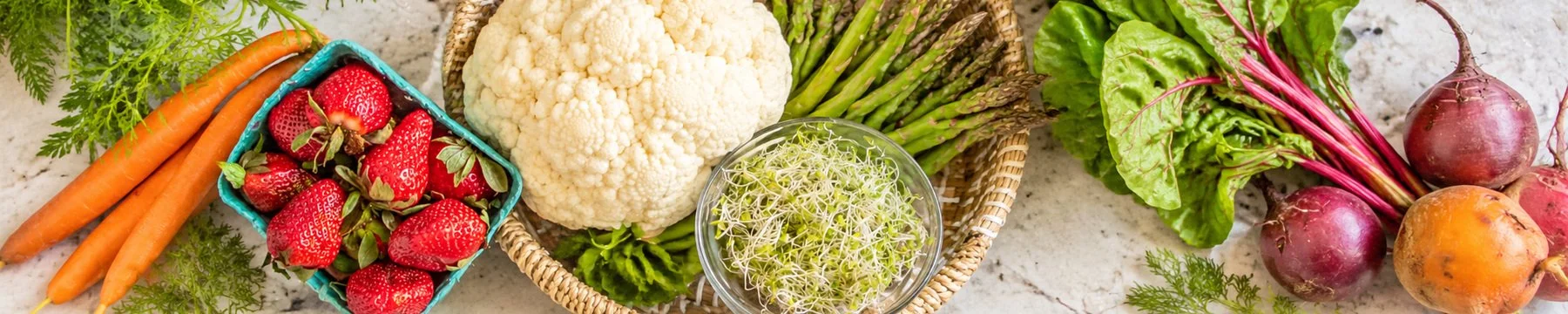
Fiber-rich plant foods: Beans, lentils, oats, berries, vegetables, nuts, and seeds provide nourishment for beneficial gut microbes.
Fermented foods: Yogurt with live cultures, kefir, kimchi, and sauerkraut can provide beneficial microorganisms when live cultures are present. One small clinical trial found that a fermented-food-rich diet increased microbial diversity and reduced certain inflammatory markers [6].
Colorful fruits and vegetables: Citrus, bell peppers, broccoli, leafy greens, and sweet potatoes provide vitamin C, carotenoids, and protective plant compounds.
Quality protein: Fish, chicken, eggs, tofu, Greek yogurt, and legumes supply amino acids essential for building and maintaining immune cells and tissues.
Healthy fats and minerals: Salmon, olive oil, walnuts, and pumpkin seeds provide beneficial fats and nutrients, including zinc, that contribute to overall health and normal immune function [7].
Can Microbiome Testing Help?
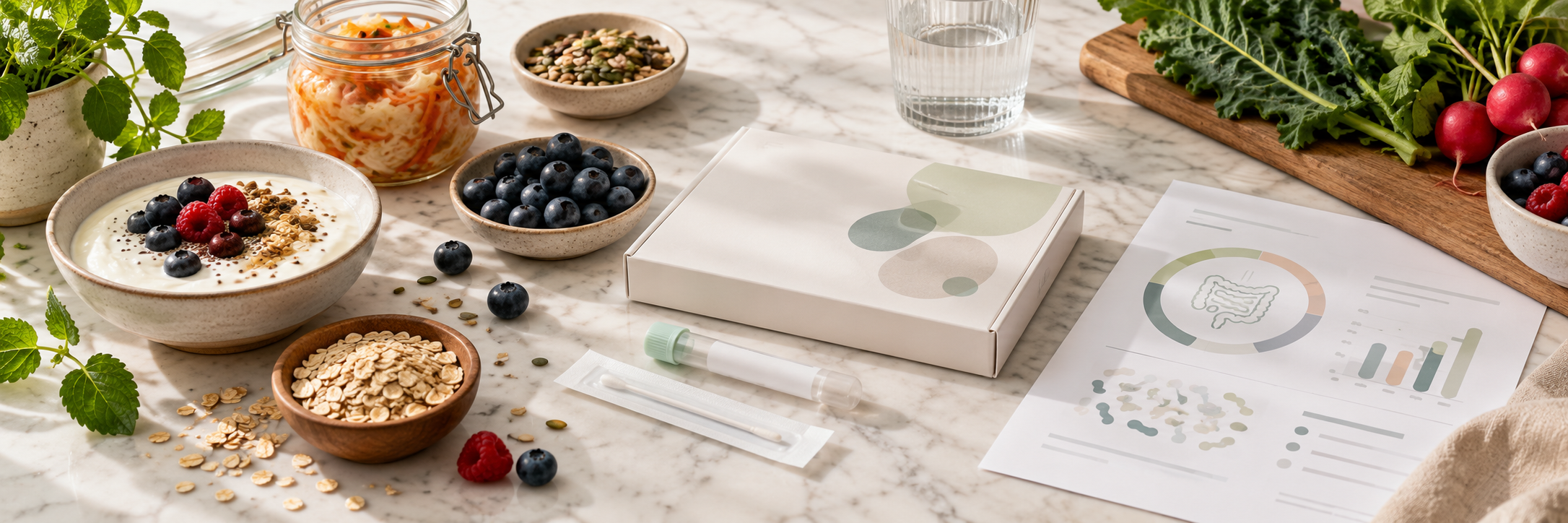
Microbiome testing is an exciting and evolving area of personalized nutrition.
Stool microbiome testing can provide a snapshot of the types and diversity of microorganisms living in your gut. These results may offer interesting insights and help start meaningful conversations about digestive health, nutrition, and individual wellness goals.
When considered alongside your health history, symptoms, and other appropriate testing, microbiome results can contribute to a broader discussion about your gut health.
Although current tests cannot independently diagnose most digestive conditions or reliably determine personalized treatments, researchers continue to explore their potential to support more individualized healthcare [8].
Small Habits, Meaningful Benefits
Supporting your immune system isn't about making it work harder. It's about helping it respond effectively when needed and maintain balance.
Start with one simple change: add an extra vegetable, include more plant variety, try a fermented food you enjoy, or make sleep a priority.
Your body has an incredible ability to protect, restore, and maintain balance. When you nourish your gut and care for your whole body, you're giving those natural systems the support they need to work at their best.
NOTE FROM NOURISH & ROOTED
Nourishment That Fits Your Life
One of the things I love most about the gut–immune connection is knowing how much we can do to support our body's natural ability to protect and care for itself. The foods we eat, the beneficial microbes we nourish, and even how we manage stress and rest all play a part. I hope this inspires you to explore what works best for your body and feel confident that the choices you make each day can have a meaningful impact on your long-term health.
Looking for personalized nutrition and wellness support? I’d love to connect. Reach out to me at Nourish & Rooted to learn more about my programs. I'd love to help you find simple, realistic ways to support your gut health, nourish your whole body, and build healthy habits that last.
www.nourishandrooted.com | Jennifer.nourishandrooted@gmail.com
Real food. Real life. Lasting habits.
Research and References
Selected peer-reviewed research, clinical guidelines, and resources from trusted medical and health organizations.
[ 1 ] Sender R, et al. The total mass, number, and distribution of immune cells in the human body. Proc Natl Acad Sci USA. 2023;120(44). View Research – PubMed
[ 2 ] Mann ER, Lam YK, Uhlig HH. Short-chain fatty acids: linking diet, the microbiome and immunity. Nat Rev Immunol. 2024;24:577–595. View Research – PubMed
[ 3 ] Ley D, Saha S. Menopause and gastrointestinal health and disease. Nat Rev Gastroenterol Hepatol. 2025;22:556–569. View Research – Nature
[ 4 ] Chakraborty B, et al. Estrogen receptor signaling in the immune system. Endocr Rev. 2023;44(1):117–141. View Research – PubMed
[ 5 [ Cryan JF, et al. The microbiota-gut-brain axis. Physiol Rev. 2019;99(4):1877–2013. View Research – PubMed
[ 6 ] Wastyk HC, et al. Gut-microbiota-targeted diets modulate human immune status. Cell. 2021;184(16):4137–4153.e14. View Research – PubMed
[ 7] National Institutes of Health, Office of Dietary Supplements. Dietary Supplements for Immune Function and Infectious Diseases. Health Professional Fact Sheet. View Research – NIH
[ 8 ] Porcari S, et al. International consensus statement on microbiome testing in clinical practice. Lancet Gastroenterol Hepatol. 2025;10(2):154–167. View Research – PubMed
Educational note: This article offers general wellness information and does not replace individualized medical advice.