Your gut does much more than digest your last meal. It is home to trillions of tiny organisms that help process food, support immune function and communicate with your brain. This community, often called the gut microbiome, is shaped partly by what you eat. Caring for it can begin with simple, delicious additions to your everyday meals.
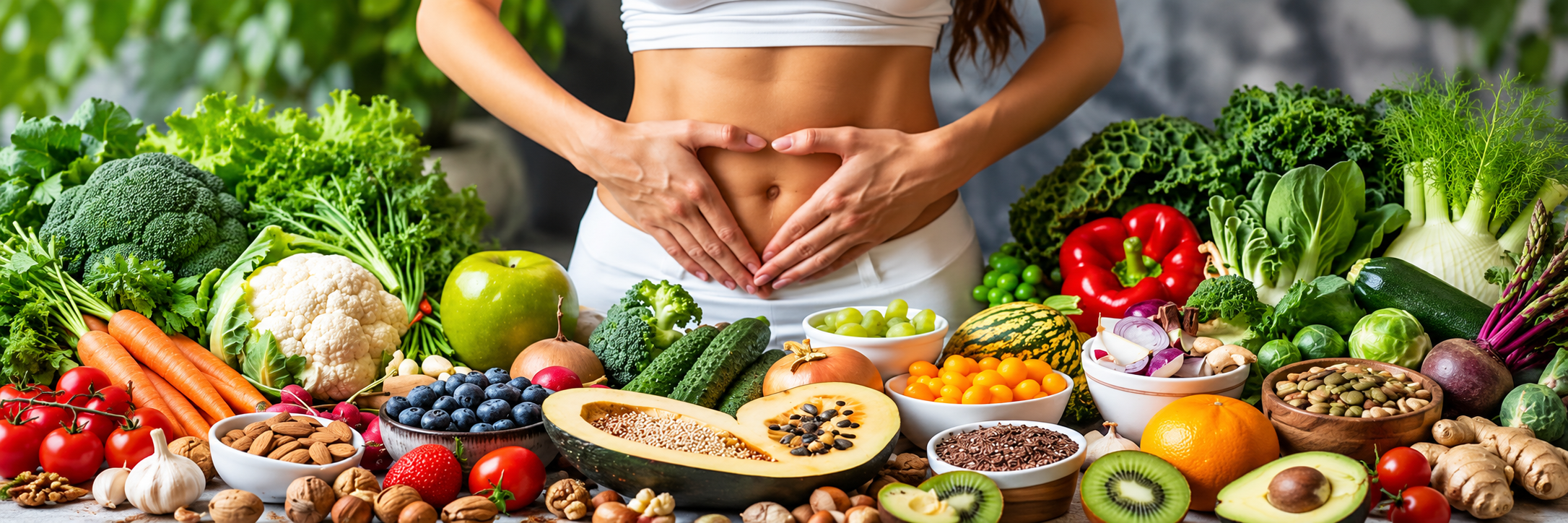
What Is Gut Health
Your gut is your digestive tract, where food is broken down, nutrients are absorbed and waste leaves your body. Gut health includes comfortable digestion, regular bowel function and a healthy intestinal lining. Your liver makes bile, your gallbladder stores and releases it, and your pancreas supplies digestive enzymes. [1]
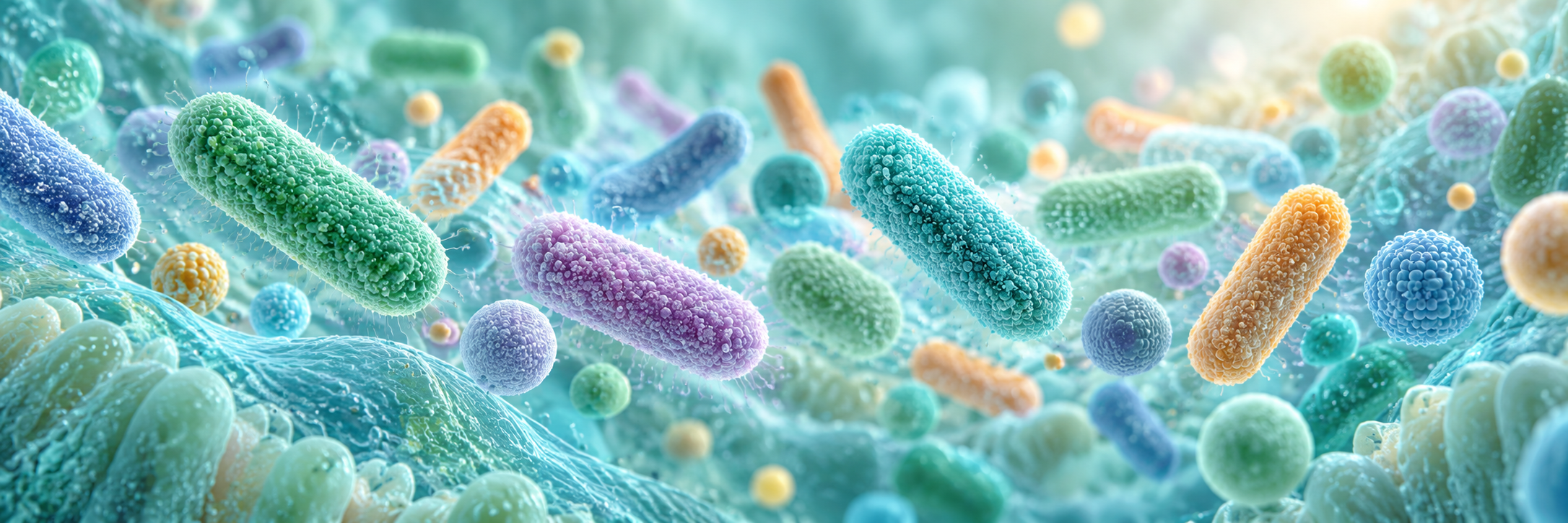
The microorganisms living in your gut, including bacteria, viruses and fungi, are called the gut microbiota. The broader term microbiome includes these organisms, their genes and their environment. Many live in your large intestine, where they help break down food components that reach them. [1,2]
Think of your microbiome as a garden: different organisms perform different jobs, and what you regularly feed them helps shape the environment. There is no single perfect microbiome. Your health, medications and eating pattern all help shape your microbial community. [2]
Why Your Microbiome Matters
Some gut microbes break down fibers your body cannot digest on its own. This produces short-chain fatty acids, including butyrate, which fuels cells lining your colon. These compounds support the intestinal barrier and help regulate immune activity. [3]
Your gut lining allows nutrients to be absorbed while helping keep potentially harmful substances out. Nearby immune cells interact with microbes and their products, helping your body respond to threats while tolerating food and resident microbes. These relationships connect digestive health with the wider immune system. [3]
Your gut and brain communicate through nerves, hormones and immune signals. This helps explain why stress can affect your stomach and digestive discomfort can influence your mood. Microbes participate in this conversation, although microbiome research has not established a particular food or probiotic as a replacement for mental health treatment. [4]
Much of your body’s serotonin is made in the gut, where it helps regulate intestinal movement. Gut serotonin does not cross into the brain; the brain makes its own. Microbes also interact with pathways involved in appetite and metabolism, but supplements marketed to “balance hormones” are not a proven solution for hormonal concerns. [4]
Everyday Foods That Nourish Your Gut
Make Fiber a Daily Habit
Include oats, barley, beans, lentils, vegetables, fruit, nuts and seeds. Fiber supports bowel regularity, and certain types feed gut microbes. Adult recommendations commonly range from 22 to 34 grams daily, depending on age and sex. Increase gradually and drink enough fluids to help fiber work well. [5]
Give Your Plate More Variety
Different plant foods provide different fibers and nutrients. Rotate berries and apples, alternate chickpeas with lentils, or try a new vegetable. Frozen produce and canned beans are convenient options. Choose one addition you enjoy and build from there. You do not need to overhaul your meals to give your gut more variety.
Include Foods That Feed Beneficial Microbes
Prebiotics are substances selectively used by microorganisms in ways that benefit health. Onions, garlic, leeks and asparagus contain fibers with prebiotic properties. Some people with irritable bowel syndrome find these foods uncomfortable, so choose portions and foods that suit your digestion. [6,7]
Enjoy Fermented Foods
Yogurt and kefir with live cultures are easy options to try. Some fermented vegetables also contain live microbes; check labels, because pasteurization after fermentation can destroy them. Fermented foods are not automatically probiotics, which require evidence of a health benefit from specific live microorganisms. [8]
In a small randomized study of healthy adults, a diet rich in fermented foods increased microbial diversity and reduced several inflammatory markers. The findings are promising, but do not establish that fermented foods treat disease or work equally well for everyone. [9]
Build Satisfying Meals
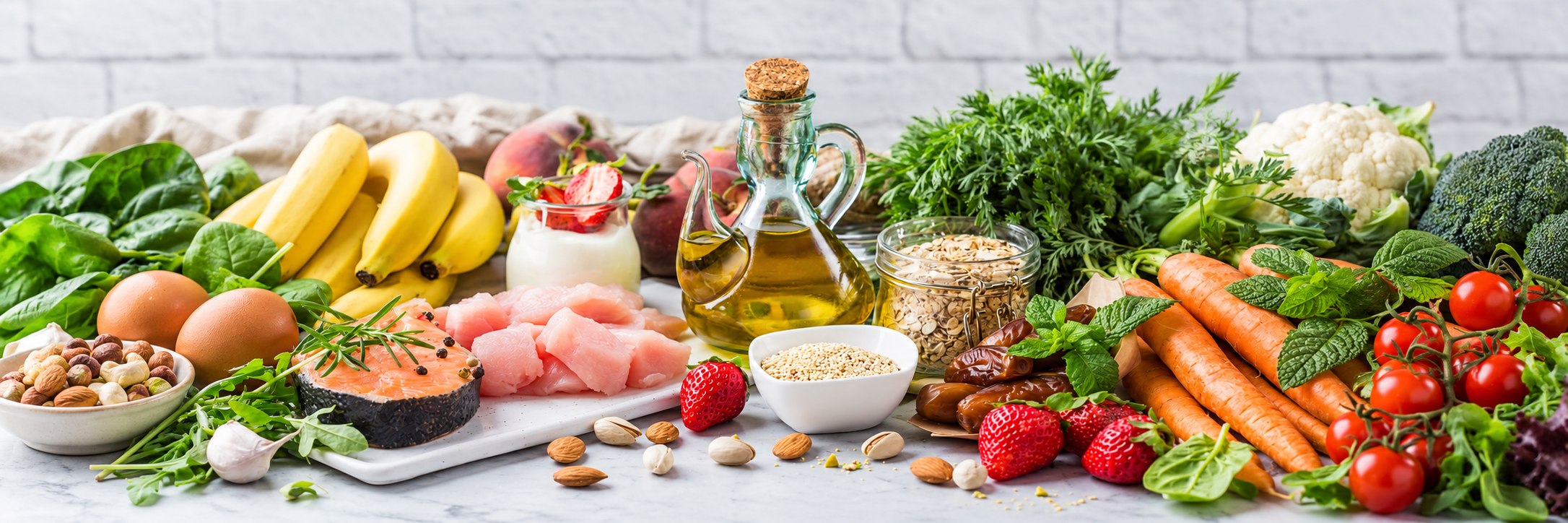
Try oatmeal with berries and walnuts, lentil soup with wholegrain toast, or salmon with barley and roasted vegetables. Combining plant foods with protein and healthy fats creates nourishing meals that can fit your appetite, preferences and routine.
Nourish Your Gut One Meal at a Time
You can begin with foods you already enjoy. Add beans to soup, sprinkle seeds over yogurt, or serve a new vegetable with dinner. Start small, notice how you feel, and allow your body time to adjust.
Probiotics may help in specific situations, but benefits depend on the strain and condition being treated. A registered dietitian can help you decide whether a supplement is appropriate and tailor food choices to your needs. [7,10]
If digestive symptoms persist, contact your healthcare provider. Blood in your stool or unexplained weight loss needs prompt medical attention. [11]
NOTE FROM NOURISH & ROOTED
Nourishment That Fits Your Life
Caring for your gut can start with familiar foods and a little curiosity. I encourage you to explore nourishing options you enjoy, pay attention to what feels comfortable, and build habits that fit your life. You deserve an approach that feels practical, satisfying and personal to you.
Looking for personalized nutrition and wellness support? I’d love to connect. Reach out to me at Nourish & Rooted to learn more about my programs and discover ways to make nourishing habits fit your everyday life.
www.nourishandrooted.com | Jennifer.nourishandrooted@gmail.com
Real food. Real life. Lasting habits.
Research and References
Peer-reviewed research indexed in PubMed and educational resources from the National Institutes of Health. Select a reference to open its source.
1. NIDDK. Your Digestive System & How It Works.
4. Cryan JF et al. The Microbiota-Gut-Brain Axis. Physiol Rev. 2019;99:1877–2013.
5. NIDDK. Eating, Diet, & Nutrition for Constipation.
7. NIDDK. Eating, Diet, & Nutrition for Irritable Bowel Syndrome.